
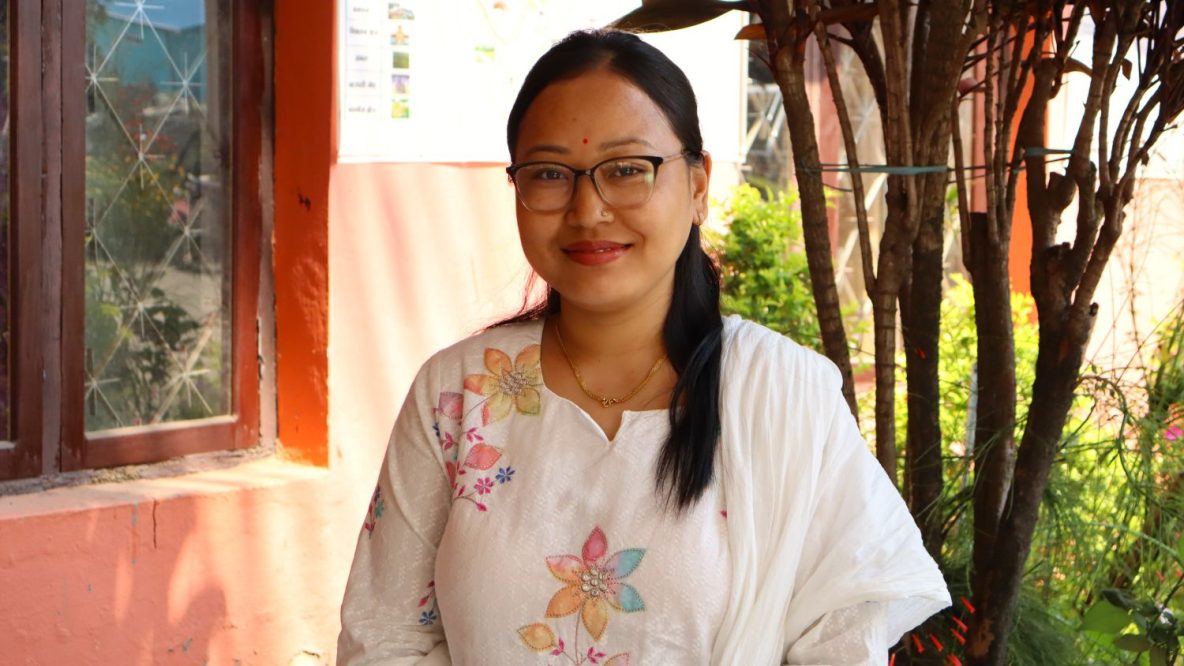
I’m an auxiliary nurse midwife in the Karnali province. I’ve been a nurse for almost ten years. In Nepal, many people are poor and lack access to good healthcare – I wanted to become a nurse to help these people. I had always been providing services like family planning and child immunisation but it was only after I received training through Visible Impact that I started providing safe abortion services too.
People in my province need better access to safe abortion care.
I first got involved with the work of Visible Impact around six months ago. They were reaching out to areas where there was a lack of access to safe abortion services and inviting health institutions to sign up for training.
Completing this training means that we can receive a government license to practice safe abortion care. I was assigned to the training by my health centre and was very happy to take part. Where I work there is definitely a need – people lack information about safe abortion and tend to think it should be kept a secret. They don’t know that they can access it legally and free of charge in government health centres. I wanted to take this training to support people in need.
People in Nepal still think abortion is a crime.
Before becoming a nurse, I had only heard abortion being talked about in my local community as something negative, something that should not be openly discussed, never mind performed. When I was young, it was seen as a crime. Because of this, people don’t always know they have a right to the service. When they do seek it, they are so scared that their information will be leaked that they travel long distances, away from their local community.
Where I work, the staff also live in this area and we all know each other – so people worry that their personal details will be shared with other people in the neighbourhood and that they will be viewed in a negative way for having an unplanned pregnancy.
Young people seeking abortion, especially those who are unmarried, particularly fear being judged and shamed. This means they don’t come out openly when they need the service. They mostly use social media to get information, but it’s not always correct and they end up visiting pharmacies or other places where they don’t get all the medical information they need. They don’t know that they can get the service safely and for free in government health facilities.
There are also geographical barriers – for young people especially. Travelling to a service outside of your own community can take many hours, maybe even one or two days. In the rainy season, bus availability is very rare. This means a young person would have to lie and make an excuse for why they are out of school, college or the home for an entire day.
We need to create friendly, non-judgmental spaces so that young people can trust us.
As medical providers, we need to provide reassurance that our services are actually confidential. That we will not share personal information and that it’s ok to come to the centre which is close to where you live. If we make the environment friendly, they will not need to travel so far. In my health centre we have a separate room for counselling on family planning and abortion to try to ensure privacy and trust for the service.
Since attending the training, I have already provided five people with safe abortion services.
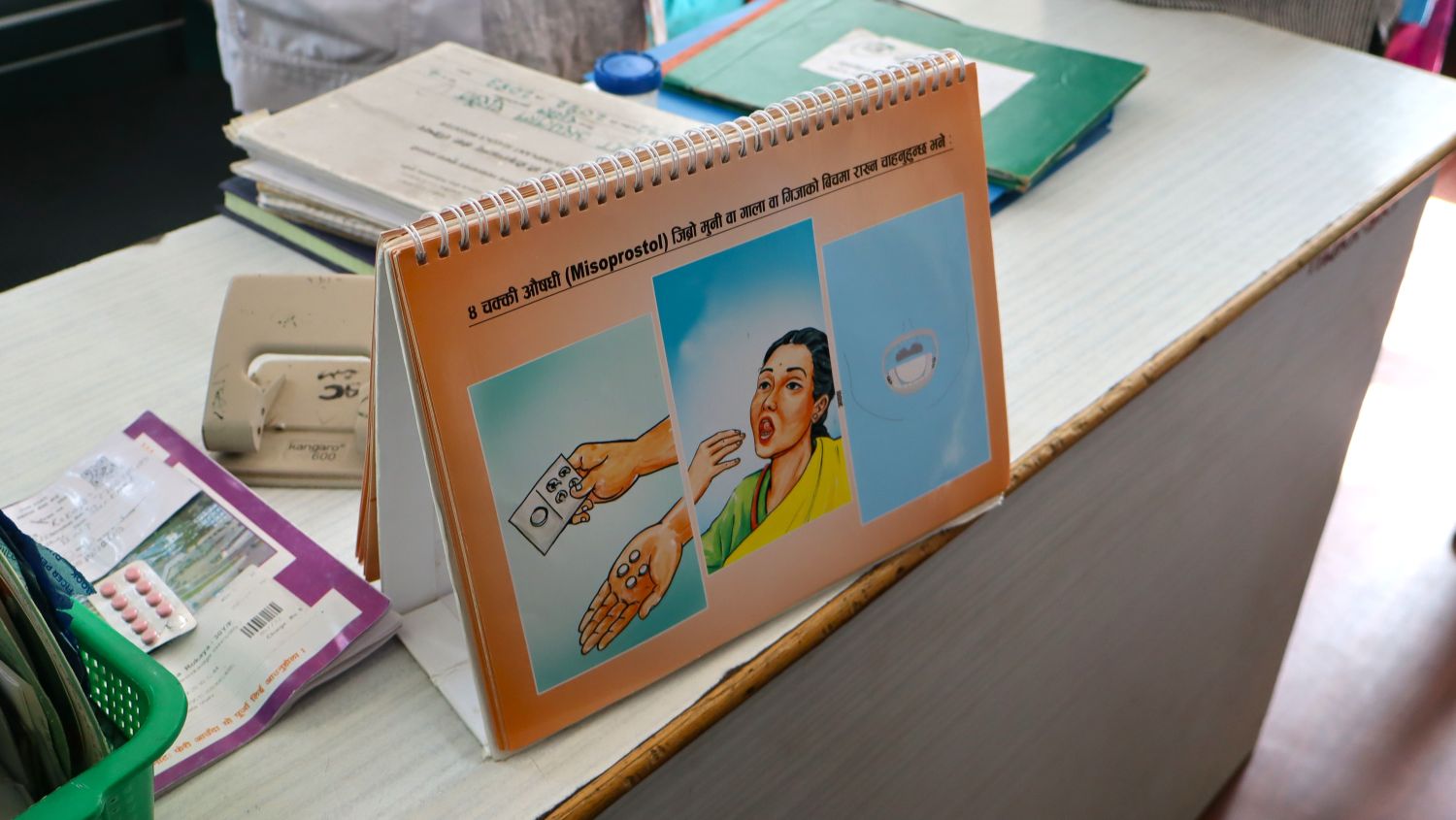
Before the training I knew abortion was legal, but I didn’t understand the legal framework or how abortion care was provided in practice. The intensive training not only taught us about the legal framework; we also had a chance to learn counselling techniques and the practical skills required for both medical and surgical abortion. There was a dummy to practice pelvic inspection on, and after this we could visit a service and observe the treatment of actual patients. At first, I was nervous about getting it right, but thanks to all the preparation I found it easy and felt excited to start seeing patients myself.
Attending this training meant that I received certification to become a registered abortion provider. Luckily, my institution was already registered with the government, so it only took a few months to be able to start providing safe abortion care.
My own perspective has shifted – abortion is a fundamental right.
I feel good about being able to provide this service to people who need it. Abortion is a basic right, and that’s recognised by the law in Nepal.
I want to see other health care professionals take on this training to work towards being able to provide abortion care in more settings. We need to make sure people are providing official services so that no one faces legal consequences for providing abortion care.
I also want to see nurses and doctors create a friendly environment for people – assuring them they will not leak personal information and not asking inappropriate questions. Patients need to trust us to be confidential – they need to know that abortion is safe and that they will be OK.
Interview with Bina Gurung, a nurse-midwife trained by Visible Impact in the Chhingad rural municipality.