Wherever you live, abortion is stigmatised to some degree. In many countries, helping someone access an abortion can put you at risk of arrest. In others, abortion is legally available through the healthcare system, but silence, judgement, and misinformation remain.
Wherever we are in the world, abortion activists are not operating in isolation. The forces trying to restrict reproductive rights are increasingly connected across borders. Our movements need to be too.
I live in England, where compared to the rest of the world, abortion access is pretty good. Abortion is available for free through the national health service. When surveyed, most people in the UK support legal access to safe abortion.
However, opposition to abortion has not disappeared. It even seems to have ramped up in the past few years.
Earlier this month, thousands of anti-abortion campaigners with links to the far-right marched through London to claim that ‘Abortion Hurts the Family’. A recent report by Amnesty shows that spending by 32 anti-rights organisations operating in the UK increased by more than a third from 2019 to 2023.
It’s clear that we cannot take the rights we do have for granted as the far-right continues to gain a hold of politics and media messaging across Europe.
If the forces aiming to restrict abortion cross borders, so must our resistance.
The organisations and actors trying to block our reproductive rights are so often working from the same playbook, and the same pot of funding. We are seeing coordinated opposition to women’s rights, LGBTI rights, comprehensive sexuality education and wider movements for gender justice.
Working for a global abortion fund has shown me that however different our legal and cultural contexts are, the barriers we face as abortion activists are often very similar.
We have always been a global movement.
This year’s theme for International Safe Abortion Day, Solidarity in Action, gives us an opportunity to celebrate what abortion movements have achieved by organising and fighting alongside one another.
Latin America’s Marea Verde (Green Wave) is perhaps one of the clearest examples of the impact of global solidarity in the abortion movement. The green scarf (pañuelo verde) first associated with Argentinian activists, travelled across borders and became an international symbol for abortion rights. Behind that visual symbol was something even more important: years of organising and coalition-building.
As we witnessed recently at the Abortion and Reproductive Justice Conference in Nairobi, abortion rights activists are well-connected and have become expert in adapting successful strategies to fight back against opposition and make abortion accessible in even the toughest contexts. Feminists from across the world were sharing inspiring advocacy wins, practical tips for setting up hotlines and feminist accompaniment networks, and how to support people to safely self-manage their own abortion care.
Solidarity means knowing that we don’t have to start from scratch. That our sisters and supporters around the world are walking alongside us.
For SAAF, solidarity in action isn’t an abstract idea. We see what happens when abortion activists have the space to meet, learn from each other, and take each other’s ideas home. That’s why beyond just providing funding, we also create physical and online spaces for talking about abortion work.
Earlier this year, we took the opportunity to introduce SAAF grantee partners who were attending the IWAC conference and arrange a visit to the new feminist abortion clinic set up by Tamtang Foundation in Bangkok. One SAAF grantee partner from Kenya told us that this opportunity to interact with activists from other regions had been extremely useful for her work, including gaining practical advice on second trimester abortion care from a fellow SAAF partner based in Mexico, who is also working outside traditional health systems.
“The solidarity that I felt in that conference from these groups was astounding, and really showcased why our insight and practices are needed now more than ever in the abortion movement.”
SAAF grantee partner from Kenya
Abortion stigma is designed to isolate people.
The threat of prosecution and persecution is supposed to keep us quiet and inert. So, it’s crucial that we continue to work together and offer each other solidarity and support.
We are stronger in resisting false narratives and harmful disinformation about abortion by joining together. We can pull up the roots of abortion stigma, knowing that it was created by a set of forces designed to keep us down. We can look back to our ancestors to see that abortion has always been around, and women have always supported each other to end pregnancies they couldn’t continue.
Anti-abortion opposition is organised across borders. And it’s increasingly well-funded and vocal. We need to stay strong, stay loud, and keep having each other’s backs.
By Laura Hurley, Communications Lead at the Safe Abortion Action Fund (SAAF)
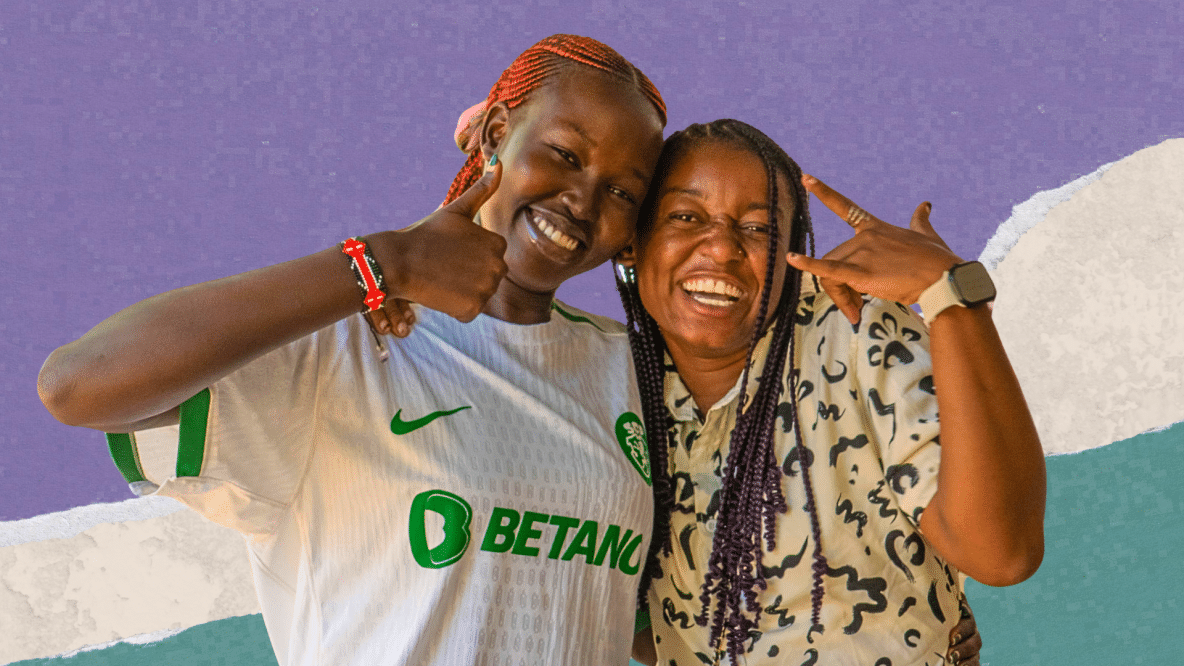
Photo: SAAF grantee partner Resilience Action International.