
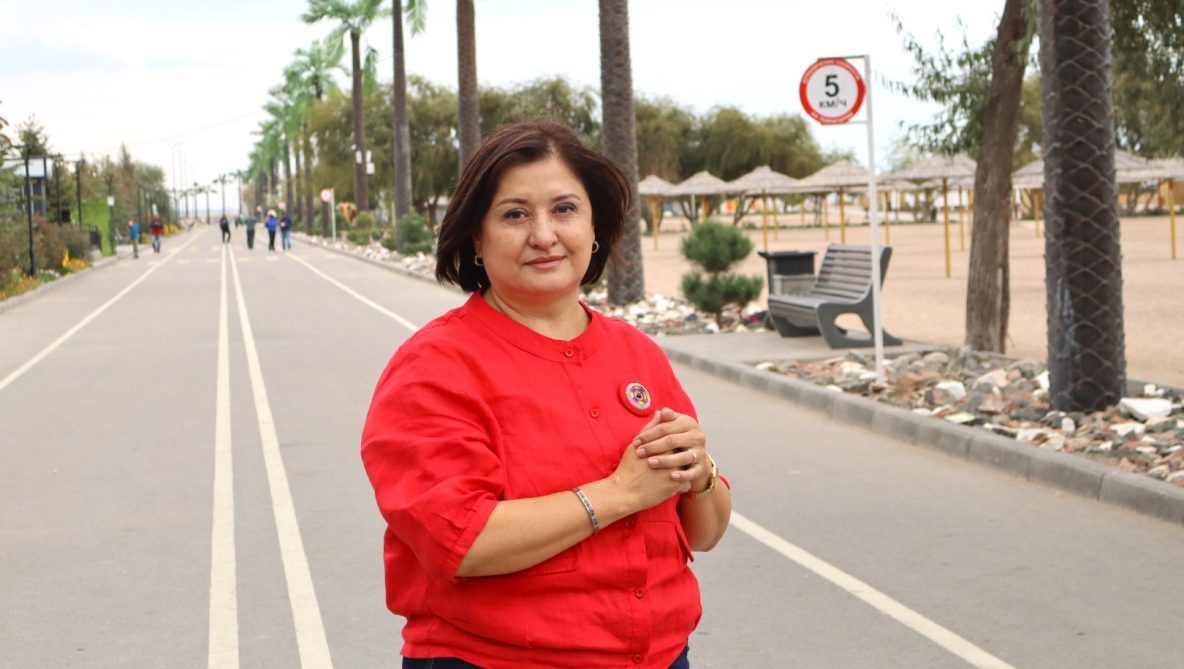
I am an obstetrician-gynaecologist by profession. In my clinical practice, I performed abortions and counselled women who were facing a difficult decision. Doing this work has helped me understand how important it is not only to provide good-quality medical care, but also to listen carefully, explain the available options, and respect each person’s decisions.
I’ve been working for the Family Planning Alliance (FPA) for 26 years. During this time, both the country and our organisation have undergone significant changes. In 2024, against the backdrop of changes to legislation governing non-profit organisations, we reviewed our work and changed the organisation’s name. It was a difficult period, but we managed to continue working to promote people’s health and wellbeing.
Together with our partners, we have expanded access to medical abortion in Kyrgyzstan.
We have worked with the Safe Abortion Action Fund (SAAF) since 2014. This support has enabled us to develop safe abortion work as a distinct, systematic area of our activities.
We began by speaking directly with women in their communities, learning about their experiences, difficulties and needs. We met women who had no access to medical abortion or were unaware of modern abortion methods. The less safe practice of dilatation and curettage continued to be used in clinical practice, and women’s choices were limited.
We realised that information activities alone were not enough. We needed to address the availability of medicines, the training of healthcare professionals and the regulatory requirements affecting access to care at the same time.
One important area of our work was supporting registration of the Medabon combipack, a crucial step towards medical abortion access.
Our greatest achievement is having reduced barriers for women.
I am proud that our team, together with our partners, has contributed to updating the regulatory requirements for safe abortion in Kyrgyzstan.
Previously, a woman seeking an abortion on social grounds between 12 and 22 weeks of pregnancy had to provide documentary evidence of the relevant circumstances. Gathering the documents and completing the procedures took time and could delay access to medical care.
The revised regulation removed the requirement to provide evidence of social grounds for an abortion. This is an important step towards reducing bureaucratic barriers and better supporting women’s reproductive choices within the law.
For us, changing regulatory documents is an important achievement, but it must be followed by practical action. Healthcare professionals need to understand the new requirements, women need to know their rights, and services need to be accessible and high-quality.
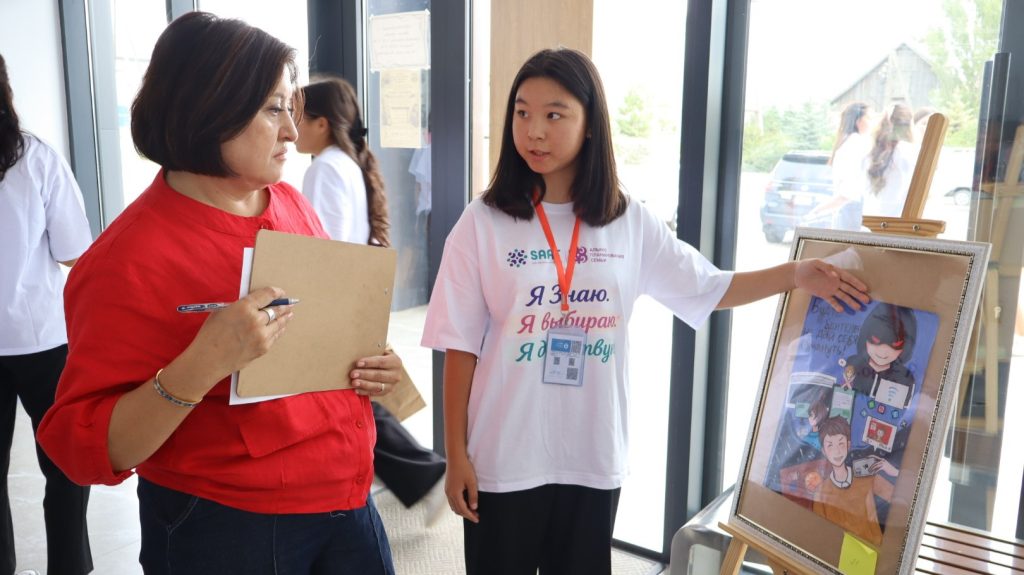
It has become more difficult to discuss abortion and reproductive choice publicly.
The subject touches on personal beliefs, family values and religious views. We recognise its sensitivity and always carefully consider how to communicate with different audiences.
In our work, we focus on women’s health, preventing unintended pregnancies, preventing complications and ensuring access to reliable information. Our aim is to help each woman make her own informed decision and receive the healthcare she needs without pressure or judgement.
I believe that the health and wellbeing of women and families should be at the centre of population policy. Family planning helps people make informed decisions about having children. Access to safe care must remain part of that.
I am concerned that, in discussions about demographic objectives, women’s own needs and voices may not receive enough attention. That is why we continue to emphasise the importance of considering women’s health, life circumstances and right to make informed choices.
I believe further change is possible.
I want people in Kyrgyzstan to see health as one of the most important things in life. I want every woman to be able to access reliable information, to be heard, and to receive quality care in a timely manner.
My professional experience has taught me to listen carefully to women and understand the obstacles they face. It is their stories that help us identify what needs to change in the system.
We have already come through difficult periods and learnt to find solutions in changing circumstances. I believe that through sustained effort and collaboration, we can continue to make progress. For me, the purpose of this work is to bring about real improvements in the lives of women and their families.
Interview with Baktygul Bozgorpoeva, Director of the Family Planning Alliance (FPA), a SAAF partner organisation in Kyrgyzstan.