

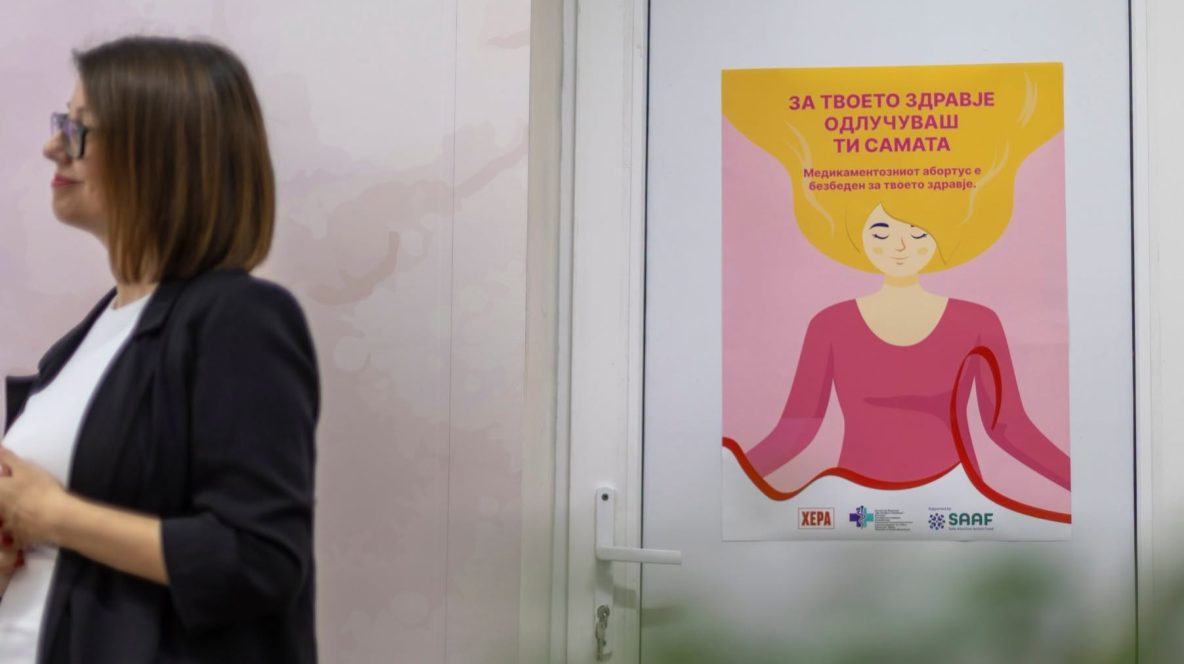
Surgical abortion has long been available in hospitals across North Macedonia. However, until recently, medical abortion was only available at the University Clinic in the capital, Skopje.
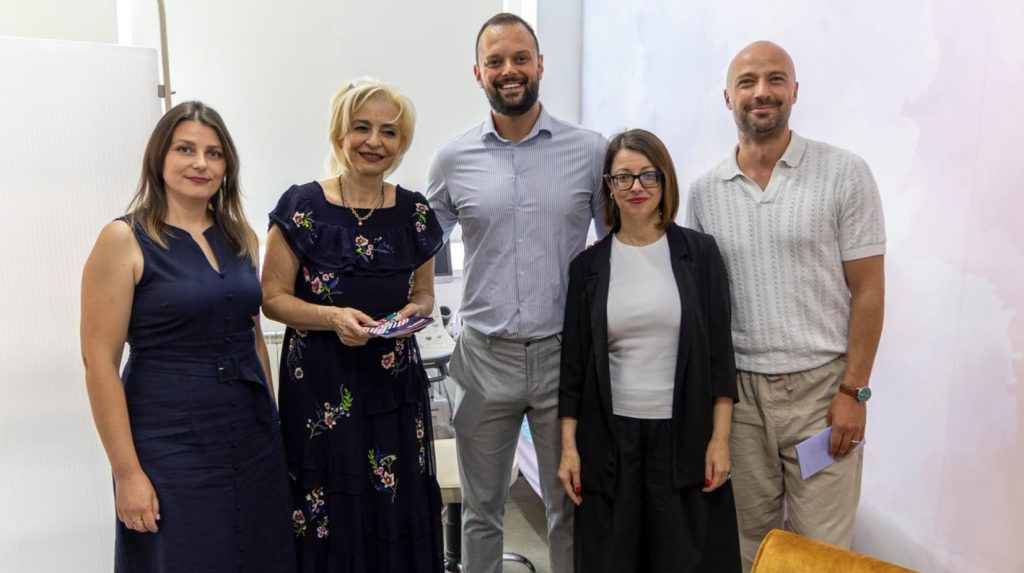
HERA (Health Education and Research Association) has partnered with a hospital in Bitola, in the Southwest of the country, to open a new counselling centre. This is the first public medical abortion service outside of Skopje.
This important milestone is the first decentralisation of medical abortion services within North Macedonia’s public healthcare system. We are delighted to be bringing abortion care closer to women and reducing their geographical, financial and logistical barriers to access.
We are providing localised and accessible medical abortion services.
The new centre was officially opened on 13th July 2026, and we are already seeing encouraging interest from women, who have started contacting us to seek information about the new service and how they can access it. This early interest reinforces what we already knew from our previous work: when women know that a safe, evidence-based service is available closer to where they live, they actively seek it out.
In line with the national clinical guidance, medical abortion is provided up to 12 weeks of gestation as an outpatient service. For pregnancies up to 12 weeks, women can complete the medical abortion in the privacy of their own homes after receiving counselling, medication and clear guidance from trained healthcare professionals, with follow-up support available throughout the process. For pregnancies between 12 and 22 weeks of gestation, medical abortion is provided in hospital, under the supervision and care of the clinical team.
The service is available 24/7, as the Department provides continuous emergency gynecological care. Women can therefore access medical abortion counselling and care through the hospital at any time, including evenings, nights, weekends and public holidays, with an on-duty gynecologist always available.
We expect the service to have a particularly important impact for women living in rural areas and women from vulnerable and marginalised communities. For women facing financial, transport, organisational or other barriers, travelling to the capital can make a legally available health service difficult to access in practice.
For HERA, this distinction is fundamental: a right is only meaningful when people can actually exercise it, and a health service is only truly available when people can realistically reach and use it.
Medical abortion is a safe, effective method that offers women greater privacy, autonomy and choice.
When HERA applied to SAAF for funding, the challenge was very clear: although medical abortion had been introduced into the public healthcare system in North Macedonia, it was only available at the University Clinic for Gynecology and Obstetrics in Skopje. This meant that many women outside the capital faced significant barriers to accessing the method.
The experience of the University Clinic in Skopje provided strong evidence that when medical abortion is available, women choose and trust the method. In 2024, 93.5% of all abortions performed at the Clinic were medical abortions, demonstrating the high acceptability of this method when it is accessible within the public health system.
Our vision therefore went beyond opening a new counselling centre. We wanted to demonstrate that the model developed at the University Clinic could be successfully replicated in another public hospital and become part of routine healthcare. The opening of the counselling centre in Bitola is the first step in the decentralisation of medical abortion services in North Macedonia and demonstrates that expanding access through the public health system is both feasible and sustainable.
Ultimately, this project is about ensuring that women can make informed reproductive decisions and access safe, high-quality abortion care regardless of where they live.
This is a permanent service embedded in the public health system.
SAAF’s funding and technical support were instrumental in transforming the decentralisation of medical abortion from an ambition into a functioning public health service. SAAF’s support made it possible to invest in the institutional foundations of the service, rather than simply financing a short-term project activity.
The result is not a project that ends when the grant ends. It is a permanent public health service embedded within the Clinical Hospital in Bitola, delivered by trained public healthcare professionals and designed to remain part of the public health system. For us, this is the greatest value of SAAF’s investment. It has not only expanded access to medical abortion for women outside the capital, but has also strengthened the capacity of the public health system to provide this service sustainably for years to come.
The opening of the centre sends a very positive message. It demonstrates what can be achieved when public institutions and civil society work together towards a shared goal.
HERA is a SAAF grantee partner in North Macedonia.